
Scholarship Recipients
The Race to End the Stigma Scholarship was created by the Carlos Vieira Foundation to start the conversation about mental health. The $1,000 Race to End the Stigma Scholarship is granted annually to graduating high school seniors who are interested in mental health awareness or who are willing to share their story about mental health in an effort to end the stigma.
Click below to view the past scholarship winners.
2026 Scholarship Recipients
Ailene Solorio
Alexa Esparza
Anthony Quezada
Asia Lugo
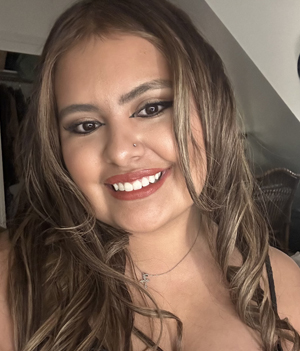
Aubrey Foust
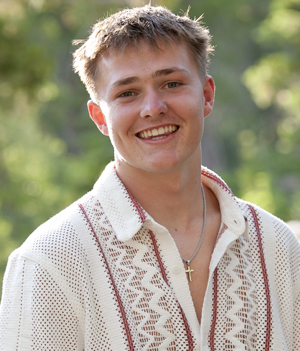
Austin Dejong

Cristal Gonzalez

Isla Gasper
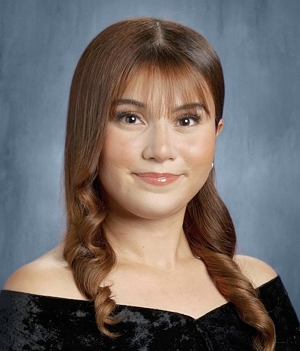
Jocelyn Gutierrez
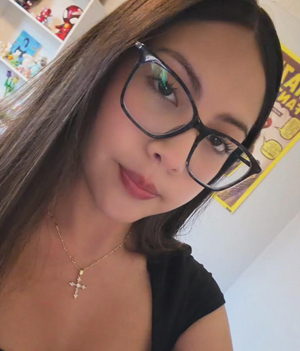
Karina Varela Davila
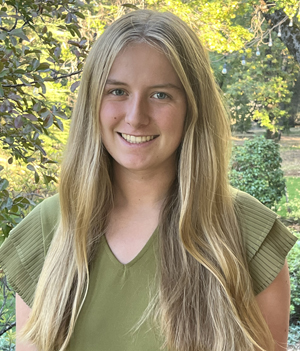
Kieran Smith
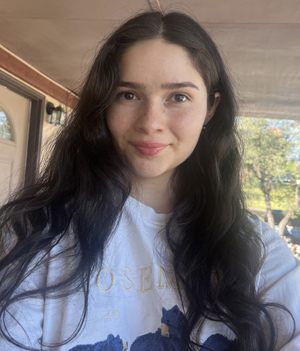
Linda Valadez
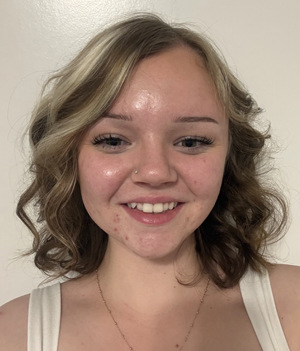
Margaret Simpson
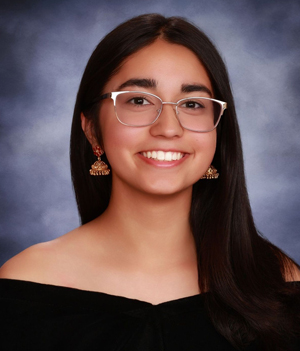
Munveer Dosanjh

Mya Dake

Samiya Takher

Sarah Bowron

Sophie Wheeler
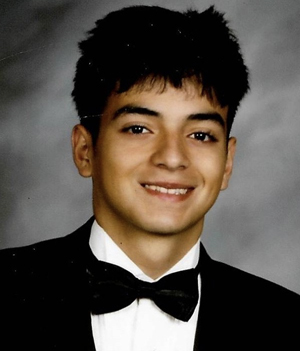
Tristan Torres
Scholarship Essays
Click the tabs below to see each of the essays submitted by our scholarship recipients.
*The essays are in no particular order and are being kept anonymous
- ESSAY 1
- ESSAY 2
- ESSAY 3
- ESSAY 4
- ESSAY 5
- ESSAY 6
- ESSAY 7
- ESSAY 8
- ESSAY 9
- ESSAY 10
- ESSAY 11
- ESSAY 12
- ESSAY 13
- ESSAY 14
- ESSAY 15
- ESSAY 16
- ESSAY 17
- ESSAY 18
- ESSAY 19
More Silence
It’s a different kind of quiet as I sit half-awake and alone on the cold, white-tiled, floor of my childhood home’s disheveled bathroom in the early hours of the morning, and as I sit, I remember. I remember all of the times I reached out. I remember all of the times I dropped hints to those around me. My grades were slipping and I was never dressed, I became mean and angry towards everyone, and I sought peace in substances. But most of all, I sit and I remember all of the times I was turned away. The phrase “I don’t know how to help you” echoes throughout my head in countless voices. My mom’s, my best friend’s, my therapist’s. And as my eyes slowly flutter shut for what I hoped would be the last time, I do not feel peace. Not for a second. I awoke still angry, still alone, and still on the bathroom floor. But this time the anger was different. I was furious I had been pushed closer to this point with each door that had been shut in my face. Why would no one let me speak?
My parents were the type to expect you to stay silent regarding your struggles. I know today that this type of mindset is all too common and all too damaging. From an early age, I could not understand how someone could speak so truthfully. How could they sit there and speak and cry and not feel so ashamed? I felt their shame for them and never once listened. I thought “How embarrassing that they would portray themselves so weak” as I returned home, shut my bedroom door, and became that person. As if it were some type of cruel karma, I was pushed to the point of becoming the person I once scrutinized and I was shut out the same way I had done to others. Today, I pride myself on becoming a space for everyone and anyone who needs it. My own experience has proven how truly rare it is to find someone who will really listen and I strive to be that someone.
With countless lives being lost to preventable violence, suicide, and drug use, it makes one wonder, why is nothing changing? No one is exempt from the effects of poor mental health, and yet, it is constantly surrounded by criticism and stigma. This type of energy discourages people from seeking any sort of treatment which in turn only worsens their condition. With this, they begin to isolate themselves. They become distant from friends and family, they cancel plans, and they ignore phone calls. The self-isolation quickly leads to self-deprecation causing a sense of immense hopelessness regarding everything in their life. From here, there are many paths a person may take. Some will finally seek help, some seek out hope in drugs, and some will find themselves in such despair that they take their own life or out of anger, someone else’s. The stigma surrounding mental health and treatment has done irreparable harm to everyone. Because of it, very few quickly find themselves on the path of healing and the majority of them never do.
While many people argue that mental health is no longer stigmatized, I ask them to look at the number of people whose insurance won’t cover treatment at all, at all of the policies that limit access to care, and at how many pieces of media reinforce incredibly damaging stereotypes. Society as a whole has not fought hard enough for the right to receive help. Without it, more lives will continue to be lost, more families will continue to grieve, and countless people will continue to suffer in silence. Mental health is truly one of the most challenging and dangerous battles a person could fight. So why are they still being asked to do it alone? It is up to us as a community to talk about our struggles and understand how to notice these symptoms in a person. This is the only way something may be done to protect those who survived and avenge those who have been lost.
Today, I return to that cold, white-tile floored bathroom that is no longer disheveled. It is clean and it is serene and its walls will never hear my cries and its mirror will no longer see my scars, and the floor will never again feel my body as it sinks to the floor. It now serves as a reminder of the battles I have fought and how lucky I am to have made it out. It reminds me of the importance of speaking out not just for my past self but for all of the people who are yet to reach peace. I will not under any circumstances ever be made to feel ashamed of my pain and I will use my voice to the best of my ability and ensure no one else does either.
When I entered high school, I never imagined my free time would be spent on
government panel seats and mental health commissions. However, I also didn’t expect to witness friends pocket their school lunch to save for dinner, stay overnight in the hospital for suicide risk, or make their home at a youth shelter. Under the surface of a high school campus lies a depth of pain, trauma, and struggle that burdens the lives of countless students; it is our responsibility to ensure they are not carrying it alone.
Mental health is often viewed as the absence of mental illness; thus, only those who are “mentally ill” need support services. Yet, society recognizes that a person who avoids contracting the flu is not inherently healthy; many other factors contribute to their overall health, including diet, exercise, sleep, and weight. In the same manner, a person void of suicidal thoughts is not inherently mentally healthy; factors such as emotions, thinking patterns, detachment, and social habits all contribute to their overall mental health. Mental self-care is equally as necessary to thrive as any other element of personal health: if a weightlifter stops lifting weights, they will grow weak; if we neglect our emotional reality, our behavioral reality will follow. Society must recognize that mental health care is an issue for everyone, not simply the minority. If the stigma around services reduces and Americans can devote more attention to their own mental well-being, the gradual slide - or steep fall - into mental illness will no longer blindside students and their families. Early intervention will begin not only on the school campus or in the home, but also in the heart and mind of every individual.
Acknowledging our own personal mental health needs opens the door to a variety of services, on a personal, relational, and county level, that can help people to cope with their experiences and heal from their wounds. I witnessed this first-hand near the end of 8th grade, when my friend was hit and killed by a drunk driver. As I battled with a weight of grief and despair I felt would crush me, the strong mental health foundation I sat upon - the comfort of Jesus, the support of my friends and family, the practice of talking through my emotions, and the wisdom of a professional counselor to help me move forward - carried me through. The combination of all of these mental health services saved me during my time of need, and they continue to save me every day as I face challenges and hardships I could not face on my own.
In my first years of high school, when faced with difficult circumstances such as I had experienced, I watched my friends and classmates struggle with mental illness or neglect their mental health, turning to harmful habits and lacking support at home… and I could not simply stand aside. My first role within the realm of mental health was simple but by no means easy: being a true friend. Noticing the needs of my classmates as they walk onto campus. Listening attentively to their joys and frustrations. Offering advice on difficult situations. Most importantly, reminding them they are loved. These actions created a safe environment for honesty, friendship, and rest that my friends could not receive at home.
Eventually, additional opportunities to impact mental health arose through the county
government. I became the Co-Chair of the El Dorado County Youth Commission, and currently guide our team of dedicated students from across the county in supporting mental health initiatives. Our commission has played a key role in the installation of Peer Advocacy classes in every high school - full-term courses designed to equip students with their own mental wellness strategies, train them to mentor younger students, plan outreach to reduce stigma around mental health, and foster a stronger campus culture. We help fund these programs through mini-grants and host an annual training day for Peer Advocates, called Empower, where students listen to the stories and perspectives of keynote speakers, attend multiple breakout sessions led by mental health professionals, and build/reinforce positive connections.
I also serve on the El Dorado County Behavioral Commission, where I listen to presentations by behavioral health service providers, evaluate their role in our county government, and advocate for the youth perspective and increased resources in schools. Additionally, I am a Youth Facilitator for the California Behavioral Health Student Services Act Youth Advisory Group (BHSSA YAG), assisting groups such as WestEd in analyzing the effectiveness of the BHSSA on schools and organizing data collection/evaluation.
These roles have shown me how my voice can have an impact, and I am so grateful for every opportunity I have had to increase mental health resources in our county and help improve the lives of my friends, classmates, and students. Developing safe environments, fostering healthy relationships, and building connections to positive coping tools helps students heal, grow, and thrive, equipping them with the support they deserve. In a world filled with daily pain and struggle, we cannot manage on our own; however, in this world of pain and struggle, we can find strength and renewal for ourselves, our friends, and our communities by pursuing mental health together.
One of the most profound experiences shaping my educational and career goals began
during a difficult period in my life when I struggled with severe anxiety and depression. As an adopted child, I often experienced feelings of not belonging and questioned my self-worth from a very young age. These internal struggles intensified as I grew older, eventually affecting nearly every aspect of my life. While many students focused on social activities, I immersed myself in academics, striving for perfection as a way to cope. However, social anxiety and challenges within my family life caused my mental health to decline significantly.
By eighth grade, my anxiety had become debilitating. Loud environments and large
crowds frequently triggered panic attacks, sometimes to the point of physical illness. During this time, I began to recognize how deeply mental health can impact a person’s ability to function, connect with others, and feel a sense of stability. Although I did not yet have the capacity to fully understand what I was experiencing, I knew that I needed to find a way to regain control and connect with others who shared my values.
That turning point came when I joined the El Dorado County Sheriff’s Explorers Post
#457. From February 2022 to May 2024, I completed more than 700 hours of community service, eventually rising to the rank of lieutenant. Through this program, I participated in the color guard unit, led my team in Explorer competitions, and gained hands-on experience in community-oriented public safety. I also joined El Dorado County Search and Rescue, where I assisted in missing person searches and supported emergency response efforts during incidents such as the Mosquito Fire.
While these experiences strengthened my leadership skills and resilience, they also
exposed me to the psychological and emotional challenges faced by victims of crime. I
encountered families searching for missing loved ones, children affected by trauma, and
communities coping with loss and uncertainty. These moments deepened my understanding of how closely public safety and mental health are connected. I began to recognize that behind many emergencies are individuals dealing with fear, grief, trauma, and instability, all factors that require not only immediate response but also long-term emotional support.
My passion for service continued through volunteer work with organizations such as El
Dorado County Toys for Tots, Big Brothers Big Sisters Northern Sierra, and the Boys and Girls Club of El Dorado County Western Slope. To date, I have contributed more than 1,000 hours of volunteer service throughout the Greater Sacramento region. Through mentoring and working with youth, I witnessed firsthand how trauma, neglect, and unstable environments can affect a child’s emotional and psychological development. I also saw the powerful impact that consistent support, positive role models, and advocacy can have in helping children build confidence and resilience.
These experiences played a critical role in shaping my desire to pursue a career connected to the mental health field. I came to understand that protecting vulnerable youth involves more than ensuring physical safety. It requires addressing the psychological trauma they may carry. Many of the children I encountered were not only in need of protection but also in need of someone who could understand their experiences, validate and help them process emotions, and connect them with the resources necessary for healing.
As a result, I plan to pursue an Associate Degree for Transfer in Administration of Justice from Sierra College, followed by a bachelor’s degree in Forensic Behavioral Science with a minor in Victimology at California State University, Fresno. This educational path will allow me to study the intersection of psychology, criminal justice, and human behavior, equipping me with the knowledge needed to understand trauma, victimization, and the long-term effects of abuse and neglect. Through coursework in forensic psychology, crisis intervention, and victim advocacy, I will develop the skills necessary to support individuals experiencing psychological distress while working within the justice system.
After high school, I plan to become a Victim Witness Program Specialist, where I can
provide direct support to victims of crime, particularly children. In this role, I would help
individuals navigate the legal system while also connecting them to mental health resources such as counseling and crisis services. Ultimately, I aspire to become a Crimes Against Children specialist and investigator. In this position, I would work to protect vulnerable youth while collaborating with mental health professionals, social workers, and advocacy organizations to ensure that children receive comprehensive care and justice.
My personal experiences with anxiety and depression, combined with my extensive
volunteer service, have given me a unique and extensive perspective on the importance of mental health support. I understand how isolating and overwhelming these challenges can be, and I am committed to helping others who may feel similarly. More importantly, I have seen how early intervention, compassionate support, and access to resources can change the trajectory of a young person’s life.
Pursuing a career connected to the mental health field is not only a professional goal but also a personal mission. I am driven by a desire to advocate for those who may not have a voice and to ensure that vulnerable children are not overlooked by the systems meant to protect them. By combining my passion for service with an education focused on behavioral science and victimology, I hope to make a meaningful impact in the lives of individuals facing trauma and adversity.
Through this path, I will help children who have experienced life’s hardest tragedies and
make sure they have the support, help, and justice they need.
“Your grandmother has been having suicidal thoughts.” When my father said those
words, my heart dropped and my body froze. In 2020, my grandmother struggled to the point where my grandfather began hiding hazardous items like knives around the house. That moment forced me to confront mental illness beyond the stereotypes I had seen on television. Unlike the dramatic portrayals where someone is constantly crying or visibly distressed, my grandmother appeared perfectly “normal.” Like death, depression does not discriminate. Witnessing her battle made me realize that mental health disorders can affect anyone, including the people we love most.
That day also marked the beginning of a different mindset for me. Instead of worrying
only about typical teenage concerns, I began thinking about how to help take care of my family and make sure my grandmother stayed safe. Before that moment, my understanding of mental health was shaped by ignorance and stereotypes. I believed mental illness only referred to people who were severely unstable or visibly struggling. That belief explains why my grandmother’s diagnosis shocked our family. It also explains why, when I began experiencing my own struggles, my requests for help were sometimes dismissed or misunderstood. Within many Hispanic communities, mental health remains a sensitive and often avoided topic. People who express emotional struggles are sometimes told to simply pray more, ignore their feelings, or “be strong.” While faith can offer comfort and guidance, my experiences taught me that professional mental health support is also important. Therapy and faith can work together rather than replace each other.
Experiencing stigma firsthand motivated me to take action rather than stay silent. I
realized that if people continued avoiding these conversations, others like my grandmother might continue suffering alone. During my freshman year of high school, I joined the National Alliance on Mental Illness (NAMI) club on my campus. Through this organization, I helped organize mental health awareness activities alongside our school counselor, creating opportunities for students to openly talk about topics that are often ignored or misunderstood. That same year, I participated in a statewide film contest called Directing Change. Our group created a video titled “We/Nosotros,” which focused on the stigma surrounding mental health within Hispanic communities. The video won regional recognition and eventually caught the attention of PBS, leading to our group being featured on the program Teen Talk. Seeing our message reach a wider audience showed me that conversations about mental health can create real change.
By my sophomore year, my advocacy extended beyond my school campus. I had the
opportunity to speak at the California State Capitol where I shared my personal experiences with State Representative Dr. Joaquin Arambula. His work has helped expand access to mental health care throughout the Central Valley, where many rural communities lack resources. During that conversation, I explained how students in communities like mine often struggle to find accessible mental health services and how important it is to keep those resources funded. I continue to stay involved in my community by participating in Fresno County Suicide Prevention Collaborative meetings. During these meetings, I share insights based on feedback from students and young people in my community. These discussions help improve local mental health services, including facilities like the Exodus Fresno Mental Health Crisis Stabilization Unit. Working alongside community leaders and mental health professionals has shown me that youth perspectives can help improve the systems designed to support us.
Another experience that has shaped my perspective is volunteering at Path to Hope
Therapeutic Riding Center. There, I help tack horses, manage the barn, and serve as a horse leader during therapy sessions for children with special needs. Watching riders gain confidence and improve communication through their interactions with horses has been incredibly meaningful. Horses provide a calm and judgment-free presence that can make people feel safe and supported.
These experiences helped me realize that my passion for mental health advocacy goes
beyond volunteering. I plan to pursue a degree in psychology and eventually become a
Licensed Marriage and Family Therapist. My long-term goal is to establish an equine-assisted therapy ranch where counseling sessions can take place in a natural and welcoming environment. After witnessing how stigma and cultural barriers prevent many individuals from seeking help, I believe this approach could make therapy feel less intimidating and more accessible.
In communities like mine, mental health is still a difficult topic to talk about. I want to help change that by creating spaces where people feel comfortable seeking help. The girl whose body once froze when hearing about mental illness has grown into someone who actively works to challenge the stigma surrounding it. Through advocacy, education, and my future career, I hope to create spaces where people feel safe asking for help without fear of judgment.
I want to inspire and make a difference in this world by helping special needs students learn and grow to try to give them the best life possible. Receiving this scholarship will help me achieve this goal because of the more opportunities it will give me. The reason I have this goal is because all my life I have felt this connection to kids with people with disabilities. I've always had this feeling of wanting to help and trying to make someone's life a little brighter and easier. I want to turn this goal into a career in public health with an emphasis on mental health, so I can support kids and families who need help and guidance.
My education plan is to move down to southern California to study at California State
University, Fullerton. I plan to earn my degree in public health. And focus on mental health services and child development so I can work in schools or organizations so I can help special needs children learn and thrive. Eventually I hope I have a job where I create or help out with programs that improve and access mental health resources for kids and families. I want to be someone who connects parents, teachers, and health professionals so children can get the support they deserve.
One of the reasons I came up with this goal is because when I was a kid I had mental health issues that I didn't know how to control yet. I didn't like how people saw it as a disease and wouldn't try to help me and just leave it to figure it out on my own. I want to help kids with mental health issues and inspire them to learn how to control their problems so they can be the best versions of themselves. I want to teach them how to control their issue and come up with solutions to help them manage it.
Education is important to me because it represents opportunities and growth. I want to
use my degree to help people, not just myself. I want to learn how to design and improve programs to address mental health problems in kids early. I plan to participate in internships and volunteer to help allow me to gain hands-on experience throughout my college career. My long term goal is to become a professional who advocates for mental health awareness and inclusive education. I want to contribute to making supportive safe environments where kids feel understood, valued , and motivated to succeed.
I am committed to working hard, staying focused, and taking advantage of all opportunities that come my way. Earning my degree will allow me to achieve personal goals, and also allow me to serve others in a way that reflects my passion, dedication to helping children succeed. I want my education to translate into action by strengthening programs, and increasing access to mental health resources . I am of full confidence that my educational path will lead into a career defined by empathy, and meaningful change.
Mental health is something that is all around us. Whether it be something that we personally suffer from, or something that we experience through the lives of others, we all have some idea about what mental health is and how it can impact those who struggle with it. While mental health issues are an illness that no person should struggle with, not having mental health issues can warp the public's perception on what mental health really is, leading to a stigma.
In my family, there has been a history of mental illness. There is a wide range of different mental illnesses, and my family personally struggles with depression, anxiety, bipolar disorder, and Obsessive Compulsive Disorder. When I would communicate with people outside of my family about some of these struggles, I would watch their faces crinkle. They didn’t understand the true struggle behind these illnesses, only knowing what they had seen on social media and heard from others who had vague ideas of the truth of mental illness. And most times, the information pushed on social media platforms was harmful towards those with mental illness. I knew that I had to do something to push the truth of mental illness and how harmful stigma could be, even if it was just with a small group. So, I spent months researching mental health, language, and the stigma surrounding it, creating a detailed presentation on the harms of stigma to present to my class.
I researched different areas where mental health was specifically looked down upon and ignored, these areas being primarily Bangladesh, India, and Pakistan. In these areas, people with mental health were pushed away because of the stigma surrounding mental health in these populations, leading to a reduction in outreach attempts from those who had mental health issues, only deepening the severity of the stigma. By sharing this background on my speech, I was able to prove how stigma is all around us, in various different cultures and communities. It’s something that people all around the world struggle with, and it can be more extreme in particular areas. I was hoping to show to my class why it is important to try and understand mental health and dissolve stigma if we hope to improve the lives of those with mental health disorders.
After pushing this idea out to my audience, I began to touch on more specific details that deepen the stigma. I spoke on how using negative language to describe mental disorders can create a negative idea about it, as well as how this negative language can worsen symptoms of people with mental health issues. Mental disorders are a serious problem, and negative connotations of it can make it even worse. Social media and culture, race, and age also played a huge factor in the stigma surrounding mental health. On social media, there is little stopping people from saying whatever they feel, allowing many harmful statements and actions to slip through. Cyberbullying has always been a significant issue, and it increased during COVID-19, those with mental disorders being a huge target for this harassment. Culture, ethnic backgrounds, and age play a part in the stigma surrounding mental health because of cultural normalities. Many cultures and ethnic backgrounds don’t understand mental health as it hasn’t always been a widely negotiated topic. Because of this, mental disorders can be seen as negative, or even as a “curse” depending on the cultural background. It is important that people are aware of these backgrounds, so that they can better work against the stigma surrounding mental health.
So while this presentation was only presented to a small class, it helped reduce the stigma by some extent. All it takes is one person to make a change. I hope that my presentation was able to teach my class about mental health, and push them to make a difference in repairing the stigma surrounding it.
Mental health has always been a topic I have greatly valued, especially as I’ve grown to
understand all of the challenges that individuals face regarding mental health issues and its misconceptions. During 2021, when mental health was greatly impacted due to the COVID-19 pandemic, I began researching and informing myself on the global mental health crisis, and the importance of mental health advocacy. After this, I experienced a situation in which mental health challenges were the root of a problem, affecting a loved one. Following this situation, mental health became a topic I deeply valued, which pushed me to want to inform individuals on the importance of mental health, as it can save lives and strengthen our communities. So, I started sharing resources on my social media for individuals who were struggling with mental health issues, along with resources that had information for individuals to understand the issues of mental health for crisis prevention. Although this was a small step in my advocacy, it was a moment that brought light to the issue of mental health and a start in my passion for wanting to inform others on something I deeply cared for.
Recently, I had the opportunity to start a new club at my school, which advocated for those who struggle with mental illnesses in order to reduce the stigma surrounding mental health issues–NAMI. By helping start up and build the foundation of this club, along with serving as the club’s Art Commissioner, I am able to devote my time and energy in building something that aligns with my values. With my position in this club, I have the ability to inform and advocate for others through presentations that are presented for the club members. While this club is still starting up, my role as an officer for this club is another small step that has allowed me to inform and educate others on the importance of reducing those misconceptions and stigma that continues to surround mental health issues.
With my own experience of mental health issues and challenges, I have been able to
understand those who face the same, or similar, difficulties. Since I grew up around a community and environment in which mental health was never prioritized or specifically talked about, it made me feel like I had no one to talk to about issues I had been experiencing. Due to these experiences, it has motivated me to become passionate about not wanting others to feel alone by using my voice to spread awareness and normalizing open discussion about mental health. My acts of taking small steps in reducing misconceptions and the stigma that surround mental health have all been because of the disparities individuals from minority and marginalized groups experience in regards to mental health. As I come from a minority group myself, I have first-hand experience in the challenges that these individuals face. Through my small steps of advocacy, my ultimate goal has been to make mental health a topic that is prioritized, right along with physical health. Reducing the stigma and misconceptions will lead to better environments and communities for several individuals to feel comfortable enough to reach out and find the help they need without feeling judged. While the steps I have taken to do this may seem small, I continue to do so in order to help change a person’s perspective and even save a life.
For most middle schoolers, the greatest stressors are math tests, social status, or making the sports team. At thirteen, my world was changed as I had a set of different priorities: chemotherapy schedules, the hum of the stove as I prepared dinner for my seven-year-old brother, and the heavy silence of a home because of my mother’s cancer diagnosis. During those years, I wasn’t just a student/daughter. I was a cook, a cleaner, a secondary parent, and a witness to my mother’s battle for her life. It was during this period that I first encountered depression and, more importantly, the silent stigma that makes such a struggle so difficult to talk about.
When a family member is physically sick everyone just says you must "be strong." As I navigated the exhaustion of managing a household while all my friends were being children, I internalized this message. I believed that my feelings of hopelessness and my lack of motivation were signs of weakness or failure. Because my mother’s illness was important I felt my own mental state was something that needed to be hidden.
This is the first layer of mental health stigma: the idea that mental suffering is a choice or a character flaw rather than a physiological and emotional response to extreme trauma. I spent years thinking I was simply "unmotivated," not realizing that I was experiencing a clinical depressive episode triggered by the overwhelming responsibility of caregiving.
My perspective shifted when I began to look outward at how my community responded or failed to respond to our situation. Mental health stigma doesn't just exist in the mind of the sufferer, it is woven into the fabric of our social structures. the social ecological model of mental health.
Individuals do not exist in a vacuum. When a young person is forced into the role of a primary caregiver, it is often because there is a lack of community support systems to catch families in crisis. Stigma manifests here as a "mind your own business" culture. People saw a middle schooler cooking and cleaning and praised my "resilience," but rarely did anyone ask about the toll that resilience took on myself. By romanticizing the struggle of young caregivers, society avoids the uncomfortable conversation about the mental health resources and domestic support these families actually need.
As I grew older and began to heal, I realized that my silence had been a product of a culture that prioritizes the "survivor" over the "vulnerable human." I saw how stigma affects communities by creating suffering. Because we don't talk openly about the depression that often accompanies long-term caregiving, other young people in similar positions feel as isolated as I did.
Stigma acts as a barrier to entry for help. If we view mental health struggles as shameful we don't get anywhere. We don't train teachers to recognize the signs of a student who is struggling, and we don't provide the counseling services that could prevent a temporary crisis from becoming a lifelong battle with depression.
My experience with my mother’s cancer changed my perspective from one of judgment to one of empathy. I now understand that mental health is not a secondary concern to physical health, they are linked. The "unmotivated" student isn't lazy; they may be carrying the weight of a household on their shoulders. The boring friend isn't cold, they may be going through something they don't talk about.
Today, I view the dismantling of mental health stigma as a communal responsibility. It requires us to move past the "how are you?" and create spaces where it is safe to be "not okay." My journey through the darkness of those middle school years taught me that strength isn't found in suffering in silence. It is found in the courage to speak the truth about our struggles and ask for help.
Throughout high school, I became known to myself as an overthinker. Every conversation replayed in my head. Every decision, no matter how small, felt like it carried weight. I would analyze situations long after they ended, questioning what I said, how I acted, and how others might have perceived me. At night when everything finally got quiet, my mind did the opposite. Lying in bed, I would replay every moment from the day as if I were reviewing game film, but instead of looking for what went right I focused on everything that went wrong. A conversation where I said the wrong thing. A moment I thought I looked awkward. A decision I second guessed hours later. By the time I tried to fall asleep, I had built a version of my day that felt overwhelmingly negative, even if most of it had gone perfectly fine. At times, it was exhausting. But what shaped my perspective most was not just the experience itself, but how I chose to interpret it.
In a time where people are more open to discuss mental health than ever, I noticed how quickly people, including myself, reached for labels. “Anxiety” became the default explanation for any feeling of stress, nervousness, or uncertainty. While I understand the importance of recognizing and validating mental health struggles, I began to question whether broad labels were always helpful. I didn’t feel comfortable immediately calling what I experienced “anxiety,” not because I wanted to ignore it, but because I wanted to understand it more accurately.
This decision forced me to become more aware of why I was feeling a certain way at a certain time. Instead of stopping at a label, I started asking questions to try and define it: Why am I overthinking this situation? What am I actually afraid of? Is this about fear of failure, fear of judgment, or am I trying to control something? In most cases, I realized my thoughts were from specific concerns, not a generalized condition, but patterns I learned to try and change. That shift changed everything. It moved me from feeling controlled by my thoughts to feeling responsible for understanding them. At the same time, this experience reshaped how I view mental health stigma. I began to see that stigma doesn’t just come from people dismissing mental health, it can also come from misunderstanding it. When terms are overused or used without clarity, it can blur the line between everyday emotions and more serious conditions. This doesn’t minimize anyone’s experience, but it highlights the importance in how we talk about mental health. Without that, people may either over identify with labels that limit them or under recognize struggles that require more support.
My perspective also expanded beyond myself. I became more aware of how different people process challenges in different ways. Some people benefit from naming their experiences directly, while others, like me, benefit from breaking them down further. This realization made me less judgmental and more open. Instead of assuming I understand what someone is going through based on a single word, I’ve learned to listen more carefully and consider the twist behind it. In my community, I’ve seen how stigma still affects individuals, whether it’s someone hesitating to speak up because they fear being labeled, or someone feeling boxed in by a diagnosis they don’t really understand. My experience has shown me that reducing stigma isn’t just about encouraging people to talk, it’s about encouraging them to think deeper and communicate clearly about what they’re experiencing. When people feel empowered to understand themselves more deeply, they’re more likely to seek the right kind of support and less likely to feel defined by a single term.
Looking back, I no longer see my overthinking as purely negative. It challenged me to confront my thoughts instead of avoiding them. It pushed me to develop a greater understanding of mental health, one that values both awareness and accuracy. Most importantly, it taught me that growth doesn’t come from simply naming a problem, but from being willing to explore it. As conversations around mental health continue to grow, I hope to contribute to a culture that balances being vulnerable and open minded. One that encourages people not only to speak, but to understand. Because in the end, reducing stigma isn’t just about what we say, it’s about how we choose to say it.
I plan to major in Psychology and pursue a career in the mental health field. My long-term goal is to become a licensed mental health professional who works with adolescents and families, particularly within first-generation and underserved communities. My interest in mental health is deeply personal and has developed through my own experiences, cultural expectations, conversations with peers, and the influence of faith and service in my life.
Growing up in a Latino household, I learned early that success was connected to endurance. Hard work, discipline, and perseverance were core values in my family, shaped by sacrifice and survival. While these values helped build a strong work ethic, they also made it difficult to talk openly about emotional struggles. Mental health was not something we discussed, and expressing vulnerability was often discouraged. I remember a moment when I tried to explain to my mother that I felt overwhelmed and mentally exhausted. She told me that mental health did not exist and that I simply needed to stay busy so I would not feel it or remember it. I understand now that her response came from love and her own lived experience, but at the time, it made me feel unseen and unsure of how to process what I was experiencing.
For a long time, I followed that advice. I stayed busy with school, athletics, and leadership activities, believing that productivity meant strength. On the outside, I appeared focused and successful, but internally I struggled with stress, self-doubt, and pressure to meet expectations. I began to realize that ignoring emotions does not make them disappear; it only delays them. What helped me most during this time was finally talking about what I was feeling. Opening up to peers who were experiencing similar pressures allowed me to feel seen, understood, and less alone.
These conversations with peers became an important turning point for me. Many of us shared similar backgrounds and expectations, yet few of us had been given the language or space to talk about mental health. Simply being able to talk openly—without judgment—created a sense of safety and relief. I learned how powerful it can be to listen and be present for someone else. Those moments showed me that mental health support does not always begin in a clinical setting; sometimes it begins when someone feels safe enough to speak. These experiences inspired me to pursue a career where I could help create that same sense of safety for others.
My involvement in the Junior Reserve Officers’ Training Corps (JROTC) further shaped my understanding of mental and emotional strength. Over four years in the program, I learned that leadership is not just about discipline or authority, but about responsibility, awareness, and care for others. JROTC taught me how to manage stress, remain composed under pressure, and support teammates during difficult situations. These lessons reinforced my belief that mental health is essential to effective leadership and personal development.
Athletics also influenced my perspective on mental health. As a varsity soccer player, I experienced how closely mental focus and emotional balance affect performance. Confidence, resilience, and mindset were just as important as physical skill. I saw teammates struggle silently with pressure and fear of failure, and at times I faced similar challenges myself. These experiences helped me understand how deeply mental health impacts young people, especially during adolescence, and how important it is to have someone who listens and understands.
Faith and volunteering have also played a meaningful role in shaping my desire to pursue a career in mental health. As an active member of the Catholic faith and a volunteer altar server, I learned the importance of compassion, patience, and presence. Serving in my church taught me that sometimes the most meaningful support comes from simply being there for others. These experiences helped me understand that healing often begins with feeling heard, a lesson that strongly aligns with mental health work.
Academically, I plan to begin my college journey at Sacramento City College, where I will major in Psychology and complete coursework aligned with a transfer pathway to a four-year university. My goal is to transfer to a University of California campus, such as UC Berkeley or UC Davis, to earn my bachelor’s degree in Psychology. This path allows me to build a strong academic foundation while remaining financially responsible. I am committed to maintaining a strong GPA and using academic resources to prepare for graduate-level study.
During my undergraduate education, I plan to focus on courses such as developmental psychology, abnormal psychology, and cognitive psychology. I am particularly interested in understanding how cultural expectations, family dynamics, and social environments influence mental health. I also hope to gain hands-on experience through internships, volunteer opportunities, or research related to mental health. These experiences will help me apply what I learn in the classroom to real-world situations and further prepare me for a career in this field.
After completing my bachelor’s degree, I plan to pursue graduate education in psychology or counseling and work toward licensure as a mental health professional. My long-term goal is to work with adolescents and families who may feel pressure to succeed while struggling emotionally in silence. I want to help break the stigma surrounding mental health, particularly in communities where it is often misunderstood, and provide support that is culturally aware and compassionate.
Receiving the Lion Award at McClatchy High School, which recognizes excellence in leadership, athletics, and school spirit, affirmed my commitment to service and personal growth. Mental health affects every part of life, and my experiences taught me that healing often begins when someone feels seen and safe enough to speak. By pursuing a career in psychology, I hope to be that person for others. This scholarship would support my education and allow me to continue working toward a career rooted in empathy, service, and meaningful impact.
When I was younger, I used to have nightmares of my dad killing himself.
My dad has struggled with severe chronic depression from the age of fourteen. He has also struggled with anxiety, PTSD, persistent insomnia, and many, many physical injuries that result from a lack of self-care, placing him in constant pain. He has flipped between various forms of self-medication.
Mental health is such a complex issue, a battle that so many face, so many fight against, and so many lose to. It is a fight I have always felt powerless against, watching my dad struggle with it day after day without feeling able to help. It terrified me. It still does to this day. My personal career aspiration is to write books and create pieces of art that speak to the mental struggles of all. I believe that strong mental health starts with children. In my freshman year, I worked with two of my teachers to introduce the idea of and organize a mass card donation via our art classes to a nearby children's hospital. Things only grew from there. I've also worked to volunteer at programs like Give Every Child a Chance, Book Buddies, Reach Out and Read, and Hope Women and Children's shelter to work hands on with children who might be struggling, either in their school or home lives. Hearing about struggle and witnessing it hands-on are two very different things, and my personal experience with it is what pushes me to pursue a career in the mental health field.
So how do I plan to tackle mental health? I found the answer to this question with my local women and children’s shelter.
When I first volunteered there, I noticed the aimlessness of that hour. During their free time, most of the preteens were either running after the younger ones or just sitting around, looking bored.
I knew that I needed to come up with something that the kids could engross themselves in. The first thing that came to my mind was art. Art has been, for me, a form of escape when I needed it most. I believed it would allow the kids to develop their self-awareness and improve their social-emotional learning. But most importantly, it would provide them a safe space to express themselves.
So, I gathered a group of similarly passionate classmates and organized monthly art lessons. Not only did the lessons teach the kids new techniques, they also encouraged self-reflection. One activity involved collaging emotion monsters to express how they are feeling in an engaging, safe way. They also used watercolor and oil pastel resist techniques to color overlapping hearts, each of which expressed something they loved.
One of the younger kids insisted she was bad at art, and kept asking me to draw for her. So, I put my hand over hers and let her guide the oil pastel she was holding. In the end, her art piece was wholly and unequivocally hers. I simply lent her the confidence she needed to complete it. At the next activity, she was similarly struggling to draw a self-portrait. This time, I encouraged her to draw it all on her own, and she ended up doing just that. I am proud to be the one to provide that small boost, eliminate her anxiety, and see the bright smile on her face as she held up her artwork for a photo.
My time here showed me the power of art. The children were comfortable expressing their feelings and thoughts in a safe, non-judgmental environment. Watching them immerse themselves through art, something that I myself have found therapeutic, was an unforgettable experience. One I hope the kids will carry with them.
This experience has led me to believe that maybe, just maybe, I could introduce my dad to the beauty of art. Even when I was younger, I'd dreamed of finding the “cure” that would make his depression vanish. Now that I am older, I know how unlikely this may be. But I also know that the least I can do for him is try.
Art is such a small thing, but the more I see how powerful it can be, the more I've come to realize that I want to delve even deeper into what it can do for those I love and care for. Finding money for an art major has always felt stupid and pointless. I'd never thought any of these passions of mine would be a solid major for me, more of a hobby. Until I realized how important they are. I'm learning to chase my happiness, to push back feelings of guilt and stress to realize what makes me feel fulfilled.
My future dream has become centered around art therapy and publication, and I know this is the path for me to take. I believe even more strongly in the power of expression from a young age, a healing power that more children need to be exposed to, and I want nothing more than to be able to do that.
Consistent financial stress has weighed heavily on my dad, as he struggles to find a way to pay for our colleges. He has always pushed us to pursue what we love, rather than go for intensive or unappealing careers, as he did, that worsened his mental state. This scholarship would be an unbelievable help in guiding me as I strive towards a better education, and a better future in which I can pursue my dreams of bringing about awareness of struggle. And maybe even finding a way to make a dent in the large mental health crisis we face to this day.
The Stigma Around Bodies
I have struggled with mental health problems since I was about 8. I remember standing in the pantry debating whether or not I should eat or continue to go hungry, and thinking to myself how sad it is that my childhood is being damaged by this burden. My family has always had messy relationships with food and their bodies, so growing up I thought it was completely normal, no matter how sad it was. Up until I was 13 I didn’t hear any complaint against the way we treated our bodies, but by then habits had been made. It took me years to finally start taking better care of my body, and to finally stop attaching my self worth to my appearance. If I could go back in time and tell that little version of myself that there was nothing wrong with her body, and that I have so much worth beyond that, I would. It makes me incredibly sad that I believed those actions were normal simply because I was never told otherwise, and I want to prevent that from happening to other people.
Now that I have recently become an adult myself, and one who plans on working with children for a career, my goal is to foster more love and positivity around bodies and eating both for myself and for the people around me. Topics such as eating disorders and body dysmorphia are not easy conversations to have with little children, but we don’t need to introduce them to the dark in order to show them the light. If I had grown up in an environment, whether that be school, home, or even social media, that showed diversity of body types and positivity for eating, I wouldn’t have had such a struggle growing up. Bodies and acceptance shouldn’t be a topic we shy away from, because the truth is everyone is different and we all deserve to be acknowledged and celebrated.
Even beyond elementary ages, it still baffles me that I continued such harmful behavior for years even after finding out it wasn’t good for me. I would be skipping meals and constricting my body in front of dozens of peers and adults, and no one stepped in. These sorts of conversations are hard to have, but that’s exactly why we need to have them. By ignoring awkward and difficult conversations we are letting that negativity grow and spread. If someone had told me what they were observing and offered me resources to help, this problem likely wouldn’t have followed me into high school. In middle school this stigma acted as a security blanket for me, since I could do whatever I wanted and no one would challenge it or check in on me. But as someone who is currently going through the healing process, I wish I had started this a lot sooner. Confronting these unfortunate topics of life makes it harder for them to continue thriving, and it will also make recovery easier as resources and community won’t be so hidden.
I plan on contributing to this positive change more when I begin working in a school. Providing children and teenagers with safe spaces where they are taught how to take care of their body and mind, how to grow out of dangerous habits, and where they can go when they need help is a life saving feature of schools that often gets brushed over. As people who work in these schools, it is our job to provide these services as well as to shine lights on them.
Looking away doesn’t solve problems, not for ourselves or for anyone else. The stigma around mental health has grown because most people would rather shy away from these uncomfortable topics, but that has never been how humans grow out of their struggles. We need support from other humans to thrive, and therefore we should encourage open discussions about mental health to provide community for people who are struggling. If I had a teacher who taught us the beauty of diverse bodies, or a friend’s parent who encouraged me to eat how my body wanted without shame, then I would be much further ahead in my healing journey than I am right now. We need to talk about mental health, because we only have one life on this planet, and allowing ourselves and our fellow humans to suffer in silence is not the way to spend years that could instead be full of joy and prosperity.
Mental health was not always something I openly discussed or entirely understood. For most of my life, I had taken the same type of messages that many people do, which is that struggling mentally was a sign of weakness, that it should be hidden, and that “pushing through” and “faking it” was the solution. My personal experience with mental health has completely shifted that perspective. When you live through the reality of mental health challenges, it shows you that stigma is not only harmful on a personal and individual level, but deeply damaging to entire communities.
Before I experienced mental health struggles first hand, I had viewed mental health issues as something important and distant, but not personal. I believed that people who struggled just simply lacked motivation. Mental health was rarely discussed openly in school, the media or even everyday conversations unless it was framed in some negative way. Because of this, I unknowingly participated in stigma by understanding what mental health challenges truly looked like. When I began to struggle myself, those assumptions that I and people made quickly fell apart. I began to learn that mental health challenges are not something you choose or can simply overcome through magic. They affect how you think, feel, and overall interact with the entire world. Everyday tasks that once felt super easy had to require immense effort. Despite this, I felt a lot of pressure to appear “okay”, fearing that being honest would lead to some type of judgement. That fear, rooted in stigma, was one of the most difficult parts of my experience.
Stigma isolates people when connection is what they need most. Over time I noticed how easily mental health struggles are minimized with phrases like “others have it worse than you” or “just stay positive.” While often well-intentioned, these responses shut down honest conversations. They send the message that pain should be hidden rather than spoken about. Through my experience, I learned that silence does not protect people, but it isolates them. This realization changed how I see others. I became more aware that many people are carrying invisible struggles. Mental health challenges do not have a specific look, background, or personality type. Someone can be high-achieving, social, and successful while still struggling internally. Understanding this has made me more compassionate and patient, not only with others but with myself. It has taught me that asking for help is not a failure, but it is an act of strength and self-awareness.
On an entire community level, mental health stigma creates many barriers that prevent people from seeking support early on. When individuals feel ashamed of their struggles, they are less likely to reach out to their trusted adults, peers, or even professionals. This can worsen mental health outcomes and strain many families, schools, and communities. I have seen how environments that lack open conversations about mental health contribute to misunderstanding and fear, while communities that promote empathy and education create support. My overall experience has clearly shown me the importance of language. The way we talk about mental health matters. Certain words can either reinforce stigma or ultimately challenge it. Choosing to listen rather than judge, to ask questions rather than assume, and to validate rather than dismiss can create safer spaces for those to speak honestly. Small actions like checking in on someone, normalizing mental health conversations, or even sharing resources can have a major ripple effect.
Mental health stigma thrives in silence and the dark, but it loses its power when met with understanding and compassion. My personal experience has transformed my perspective, teaching me that mental health challenges are not weaknesses but human experiences that deserve care and respect. By confronting stigma, we not only help individuals heal, but we strengthen our communities as a whole.
In March 2020, I lost my grandfather to cancer. He was my best friend, the person I could talk to about anything. Some of my favorite memories with him were eating ice cream, watching movies together, and playing outside with him. My grandfather never made me feel like I wasn’t heard and did everything in his power to make me happy. Losing him took a big toll on me, as I felt a piece of me had left with him. I felt betrayed, lost, and hopeless without him. Going to my grandmother’s house and not seeing him made me realize how difficult it would be to accept his absence.. Prior to this experience, I never really took the time to understand emotional well-being and what it was. I used to believe that mental health was not as important as physical health because I lacked knowledge on the topic. Growing up in a Punjabi household, mental health was not something that was addressed at all. I grew up with my grandparents, and this was never brought up. I only ever started to learn about mental health when my mom would bring it up to me.
Having experienced this, my perspective on mental health has shifted. I’ve come to the realization that everyone experiences and deals with grief in their own unique ways. For example, when my grandfather passed, I dealt with it by surrounding myself with people who I care about and trust. This included my friends and close family, and made me feel like my purpose was important. However, my father dealt with it the exact opposite way. He would shut others out, stay isolated, and would never want to talk to anyone about his problems. Over time, I began to understand why he coped this way. As a man, it may be frowned upon to be sad or to not hold up the masculinity that you were raised to show. Because mental health was rarely discussed as he was growing up, it felt to him that emotions were something meant to be handled privately rather than openly. Eventually, he began coming to my mom and I with his feelings and it helped him relieve some of the stress.
Because of this, I have learned how important it is to check in on the people around you. Everyone has their own battles, some are fought silently and some out loud. Each person expresses it differently, but just by checking in, that can show someone that you truly care and that they can trust you. Being that person for someone can change their whole life. Additionally, it is so vital to be kind to everyone because you never know what someone is going through at home. My experience with mental health has made me more empathetic and aware of the struggles others may be facing. I now understand that mental health deserves the same attention and care as physical health, and that open conversations can help break the stigma surrounding it.
My perspective on mental health and the stigma surrounding it has been shaped largely by my personal experiences growing up. One of the most significant moments that affected my mental health was when my cousin had to move in with my family when I was only six years old. At that age, I didn’t fully understand what was happening or why such a big change was taking place. All I knew was that my home, which once felt stable and predictable, suddenly became stressful and overwhelming. Having another person move into our household created tension and disrupted the routine I was used to. As a child, I struggled to process these changes, and it began to affect my emotional well being. I felt confused, frustrated, and sometimes even overlooked. Even though I was young, I could sense that things in my family were becoming more complicated. Looking back now, I realize that this was one of the first times my mental health was truly impacted.
The stress within my household didn’t just stop there. Over time, the situation contributed to my parents getting a divorce, which made everything even more difficult. Divorce is a major life change for anyone, but especially for a child who doesn’t fully understand what’s going on. It created a sense of instability and uncertainty in my life. I had to adjust to a new family dynamic while still trying to process everything I had already been feeling. It was overwhelming, and I didn’t always have the words to explain how it was affecting me.
As I got older, I also began to take on more responsibility within my family. I had to help support my mom and be there for my little brother. While I didn’t mind helping my family, it added another layer of pressure. Instead of just focusing on being a kid or a student, I often felt like I had to be strong for others. This made it harder to acknowledge my own feelings or ask for help when I needed it. I learned to push things down and keep going, which is something many people with mental health struggles can relate to. Because of these experiences, I’ve come to understand how mental health stigma can affect people in real ways. When you’re dealing with stress, family changes, or emotional struggles, it can be difficult to open up, especially if you feel like others won’t understand or might judge you. For a long time, I felt like I had to handle everything on my own. I didn’t always recognize that what I was feeling was valid or that it was okay to struggle. This is where stigma plays a powerful role.
Mental health stigma can make people feel like their problems aren’t serious enough to talk about or that they should just “deal with it.” In communities where mental health isn’t openly discussed, people may feel pressured to stay silent. I’ve experienced how that silence can build up over time and make things feel even heavier. It’s not just about big, obvious struggles, sometimes it’s the ongoing stress and pressure that takes a toll on a person’s mental health. However, going through these challenges has also changed my perspective in a positive way. I’ve become more understanding and empathetic toward others. I now realize that everyone has their own story and their own struggles, even if they aren’t visible.
My experiences have taught me not to judge others based on what I see on the surface. Instead, I try to be more supportive and aware of what people might be going through. I also believe that talking about mental health is incredibly important. When people share their experiences, it helps break down stigma and makes others feel less alone. If mental health was talked about more openly, people might feel more comfortable asking for help. It could create an environment where individuals feel supported instead of judged. In my own life, I’ve learned the importance of acknowledging my feelings instead of ignoring them. While I still try to be there for my family, I understand that my mental health matters too. Taking care of yourself doesn’t mean you’re weak, it means you’re human.
Not everyone asks for help when they need it. Throughout high school, I have noticed that many students carry stress, anxiety, and personal struggles without ever speaking up. Instead, they keep everything to themselves out of fear of being judged or misunderstood. Seeing this has made me realize how important it is to have someone who will listen, support, and guide others without judgment. Because of this, I plan to major in psychology at Fresno State and pursue a career as a school counselor.
I have often found myself stepping into the role of someone others can rely on. I am the person people go to for advice, whether in group projects or in everyday situations. I naturally take on leadership roles and try to make sure everyone feels included and heard. These experiences have shown me that sometimes the most important thing you can do for someone is simply to listen and be present. A big part of who I am comes from being an older sister. That role has taught me how to be patient, responsible, and supportive. I have learned how to step up, offer guidance, and be there for others when they need it most. These qualities have carried over into my school and community involvement, where I continue to take on leadership and supportive roles.
My personal growth has also shaped my decision to pursue a career in mental health. I used to struggle with anxiety and found it difficult to speak up or feel confident in myself. Over time, I worked on building my confidence and improving my communication skills. Pushing myself outside my comfort zone helped me grow into someone more confident and willing to take initiative. Because of this, I understand how overwhelming things can feel, and I want to help others who may be going through similar experiences.
I have also been involved in several activities that allowed me to support and guide others. Volunteering at canned food and toy drives, and at the Orange Blossom Parade, has helped me stay connected to my community and give back. One of my most meaningful experiences was serving as a counselor at SCICON, where I worked with sixth-grade students and helped teach them about the environment. This experience strengthened my ability to lead, communicate, and connect with younger students.
In addition, I lead farm tours at my school, guiding preschool students and teaching them about agriculture. This has helped me develop strong communication skills and learn how to adapt to different age groups. Raising hogs for fairs and serving as a team captain has taught me responsibility and leadership, while playing tennis has shown me the value of discipline and perseverance. Each of these experiences has helped prepare me to work with others in a supportive and understanding way.
My goal is to become a school counselor because I want to be a consistent source of support for students. Many students struggle silently, and I want to create a safe environment where they feel comfortable expressing themselves. I want to be someone who listens, encourages, and helps students work through challenges healthily.
I plan to attend California State University, Fresno, where I will major in psychology and complete the necessary prerequisites for graduate school. After earning my bachelor’s degree, I plan to pursue a master’s degree in counseling to become a licensed school counselor. I am committed to continuing my education and gaining the experience needed to be effective in this role.
I am also passionate about reducing the stigma surrounding mental health. Too often, people feel like they have to hide what they are going through. I want to help change that by encouraging open conversations and creating a more supportive environment in schools and communities. Mental health is just as important as physical health, and everyone deserves to feel supported.
Overall, my experiences, personal growth, and desire to help others have led me to pursue a career in mental health. Attending Fresno State will allow me to take the next step toward my goals and become someone who can make a meaningful difference in students' lives.
Fifty thousand. What could this number mean to someone? At first glance, it is simply a number. Perhaps there are fifty thousand crayons that bring color to a picture or fifty thousand kites that bring joy to the sky. Fifty thousand paper clips that bring things together. All of these objects are easily replaceable things that remind us of the simplicity in life. What about fifty thousand lives? Fifty thousand lives in the United States alone, are lost each year because of suicide. These lives on the other hand, can not be replaced, or bring color and joy to life again. Every single one of these lost lives has a name, a family and a precious life that gives value to this world. An irreplaceable existence. As children, it never occurs to one how mental health is a genuine medical concern for many. Examples of media such as TV shows, social media and films often showcase various forms of mental illness which display the crucial aspect of needing to prioritize mental stability. Hence, many adopt a general idea of mental health. However, what catches people’s attentions are the tragedy of suicides. What was initially a taboo topic, has turned into hauntingly tragic reality for many. Suicide was initially a foreign concept to me. I could not fathom the idea of someone willingly taking their own life. I could not understand it, until I did.
There began a long time period where I was drowning in negativity. I struggled to feel a sense of belonging in my small community. I always felt different from others because I was not enjoying life the same way they were. I let that dictate the way I thought I should live life. It made life feel like a static passing moment. I felt no love or warmth towards myself. I felt useless and disappointed in a future that had not even begun. I struggled to look forward to a better beginning. I was overwhelmed with the amount of inner disappointment and awareness that there was something wrong with me, even if I hadn’t discovered it yet. I was afraid of not knowing who to call when I was in the darkest corners of my thoughts. For the first time in my life, I knew what it felt like to want to turn to dust and be peacefully blown away into nothingness. My strong desire to stop existing interfered with daily tasks. I despised the person I was, yet had no motivation to change. During these isolating moments, it opened my eyes to a whole new perspective on mental health. I realized how much mental stability was a problem for many, including me. Despite the overwhelming support anyone can receive, it does not stop the inner feelings of emptiness, lack of motivation and care for living. Nevertheless, it is a challenge for many to open up because of the negative shame many bring upon mental health.
Commonly, older generations are prone to having a misconstrued perspective on mental health. Given the different societal expectations older generations had to face, their attitudes towards mental health is often stigmatized. Most older generations lived through a myriad of social economic issues and changes which caused many to take a tougher and harsher approach toward life. Thus, provoking feelings of unimportance, irritation and even judgement towards younger generations for expressing their feelings or simply showing sentiments of desolation. For men, especially, it is a difficult topic to confront as men are expected to avoid vulnerability as a way to show their masculinity. In effect, they suppress their emotions as a response to the usual comparison of vulnerability to weakness and inherent stoicism to strength. This is especially prominent in small communities where many feel alone and scared to open up about their feelings. People often feel embarrassed to share their own struggles with emotions and trauma they’ve dealt with. The present stigma of mental health still exists today, and it affects the capacity of people being able to openly and comfortably share their need for help. It is an unfortunate present issue that continues to persist over a wide range of cultures and countries.
Often, depression can be visible in many people with symptoms being a prominent indicator. However depression can also be invisible because mental illness does not discriminate. Regardless of how successful one might be, there is always a possibility of desolation creeping into their lives. A sadness that can lead to destruction. A dark time in anyone's life can turn into a permanent situation for many. Even if someone seems enriched in some of the most special ways in life by travelling or having a loving family, it is sometimes not enough for them. It is simply not enough because of the void they feel full numbness. It is not noticeable until it is. It is not seen until it happens. It is not cared for until it is over.
I now understand that no matter who you are, where you came from and or what you believe, everyone should keep in mind the prioritization of emotional well-being. Appearances can easily be deceiving, because what's going on inside can never be truly seen. Happiness can be misleading because it does not determine long term contentment. Some people master the ability to mask the silent battles they are fighting. One simple conversation about someone’s well-being can open doors to helping someone open up and feel cared for, it can go as far as saving someone’s life. One simple message can help someone see color in their life again. One simple greeting can help someone bring joy to their gray skies. A genuine interest in someone's well being can bring an infectious smile or energy to life. Be that person someone can call. Be that person someone can open up to, because to them, it can save their life.
Works cited:
“Suicide Data and Statistics | Suicide Prevention | CDC.
” Suicide Prevention, 26 Mar. 2025,
UNWORTHY . For years I felt that word etched in my brain, a reflection of my self image. Throughout my academic career my biggest challenge has been my struggle with anxiety.
On paper, I am impressive: Report cards full of A’s; hundreds of hours devoted to
extracurriculars; a list of achievements and awards longer than an end-of-the-month grocery bill; continuous congratulatory statements. Yet, my anxiety managed to turn all of these positive attributes into threats, wreaking havoc on my relationship with academics. Behind every semester with a plethora of achievements were hours spent frozen with overwhelm, dozens of restless nights, and encyclopedias of self-deprecation. I experienced burnouts, anxiety attacks, and paralyses that refused to let me work. I was fiercely afraid of “messing up.”
It took time to validate my struggles because I felt unworthy of help. However, after one particularly bad night of panic, it clicked that I didn’t have to sacrifice my mental health for success. I’d had enough, and finally asked for help. I opened up to my loved ones, sought professional help, and reminded myself that I’m just human. These are possibly some of the bravest steps I’ve ever taken.
My struggle has not disappeared overnight. I’ve progressed and regressed. I still have much work to do, but I’m en route to stop being controlled by the need for perfection. Through family love, community support, patience, and honesty with myself, I’ve slowly started to weaken the hold anxiety had on my life, leaving behind the fear of imperfection and “failure” and learning to be fueled by the love of learning instead.
Anxiety is a painful struggle, and a difficult one to accept. However, I am incredibly proud of all I have achieved despite being under the weight of its chains, and even prouder of the steps I am taking to free myself of them. My goal is to look back on my hard work with pride and satisfaction instead of self doubt. The fear of failure that used to drive me to succeed is being slowly replaced with confidence, acceptance, and most importantly, self-love.
My mental health journey is far from over, but I have made as much progress as I have because I was able to talk about it without fear of judgement. I was blessed with an empathetic community that supported me and wanted me to succeed. Because of all the work I’ve put into improving my mental health, I am confident that I can excel in college. I had the privilege of fostering my love of learning in high school, so I am determined to continue with higher education in my chosen field, though I have decided to apply undeclared. My decision not to declare a major right away is thoughtful and intentional; over the years my drive and philomathy have allowed me to be strong in a variety of academic subjects, and I have a wide range of interests and have worked hard to develop a variety of talents and skills. I consider myself a well-rounded, versatile, and multifaceted student and I want to explore higher education options fully before committing to a single field. My plan is to use this flexibility to discover where I can make the most impact by combining my skills in creative and meaningful ways, and find not only a career but hopefully also my vocation and purpose.
It was through the help of family, friends and professionals that I was able to receive a diagnosis and gain tools to help cope with my anxiety and improve my life personally and academically, enough so that I look forward to this new chapter of my life instead of dreading the mental struggles that come with college. This is why I will continue advocating for mental health awareness and pay it forward in whatever way I can, because students should not have to endure the pain of mental health struggles alone.
As long as I can remember, the phrase “Service Before Self” has been the heartbeat of my home. With both of my parents serving over twenty years in the United States Air Force, I was raised with an understanding that a life well-lived is one dedicated to the well-being of others. My decision to pursue a career in the mental health field, specifically as a Licensed Clinical Social Worker, is not just because I want to help others, it is also a choice born out of a personal battle with darkness and a subsequent realization that my greatest strength lies in helping others navigate their own. My plan is to dedicate my professional life to supporting the mental health of first responders and military personnel, ensuring that those who spend their lives rescuing others have someone to rescue them in return.
My reasoning for this career path is deeply personal. Throughout middle and high school, I struggled with severe depression. There were times when my self-isolation was so profound that I turned to self-harm as a way to cope. I spent a long time in a hole disconnected from my peers and convinced that my struggles made me a burden. However, I eventually found that the only way to climb out of that hole was to stop looking down and to start looking up. I began working as a swim instructor at Beale Air Force Base, teaching military children a life-saving skill. In those moments at the pool, the depression faded. Helping others didn’t just give me a sense of purpose, it gave me my life back. While I still manage my mental health today, I do so with a phenomenal support system and a clear understanding that my history of depression is not a weakness. It is the very thing that allows me to empathize with the pain of others.
This empathy was further refined through my involvement in a local fire station’s Explorer Program. Being immersed in that environment allowed me to witness the unseen burdens that first responders carry. I saw men and women who were heroes in the public eye but struggled privately with the cumulative trauma of their jobs. Exteriorally, they were fantastic firefighters and excellent paramedic students, but internally, they were binge drinking to forget their struggles. I realized that while these individuals are trained to handle emergencies, they are often left on their own to handle the emotional aftermath. My goal is to bridge that gap. As an LCSW, I want to specialize in trauma-informed care for frontline workers, such as military and first responders. I want my presence creating a safe space where they can process their experiences without fear of judgment or professional repercussions. I want to help change the culture of "thug it out” into one where mental health is prioritized as much as physical readiness.
To achieve this, I have developed a rigorous and accelerated academic plan. Recognizing the urgency of the mental health crisis, I have been dual-enrolled in community college courses while finishing my high school requirements. This will allow me to graduate high school a year early with my general education credits already complete. My next step is to attend Grand Canyon University, where I plan to earn my Bachelor’s degree in General Psychology in just two years. Following this, I will pursue a Master’s in Social Work to obtain my licensure. My academic discipline, which was also furthered in the athletic setting, and experience in student leadership has prepared me for the intensity of this fast-tracked path. I have learned how to manage high-pressure environments, whether it was pushing through workouts on the track or advocating for student needs in school meetings.
What makes my perspective unique is that I am not approaching the mental health field from a purely clinical standpoint; I am approaching it also as a survivor. I know what it feels like to be isolated, and I know the power of a supportive intervention. My motivation is rooted in the belief that no one should have to suffer in silence, especially not those who sacrifice so much for our safety. By combining my lived experience with professional training, I hope to provide a level of care that is both clinically sound and deeply compassionate. My plan is to enter the workforce as quickly as possible, fueled by the same "Service Before Self" motto that shaped my childhood, but also redefined by my own journey toward healing. I am ready to turn my passion for leadership and service into a career that honors the resilience of our community.